Skip to content
Chemical Peels & LED Therapy: Why They Work Together
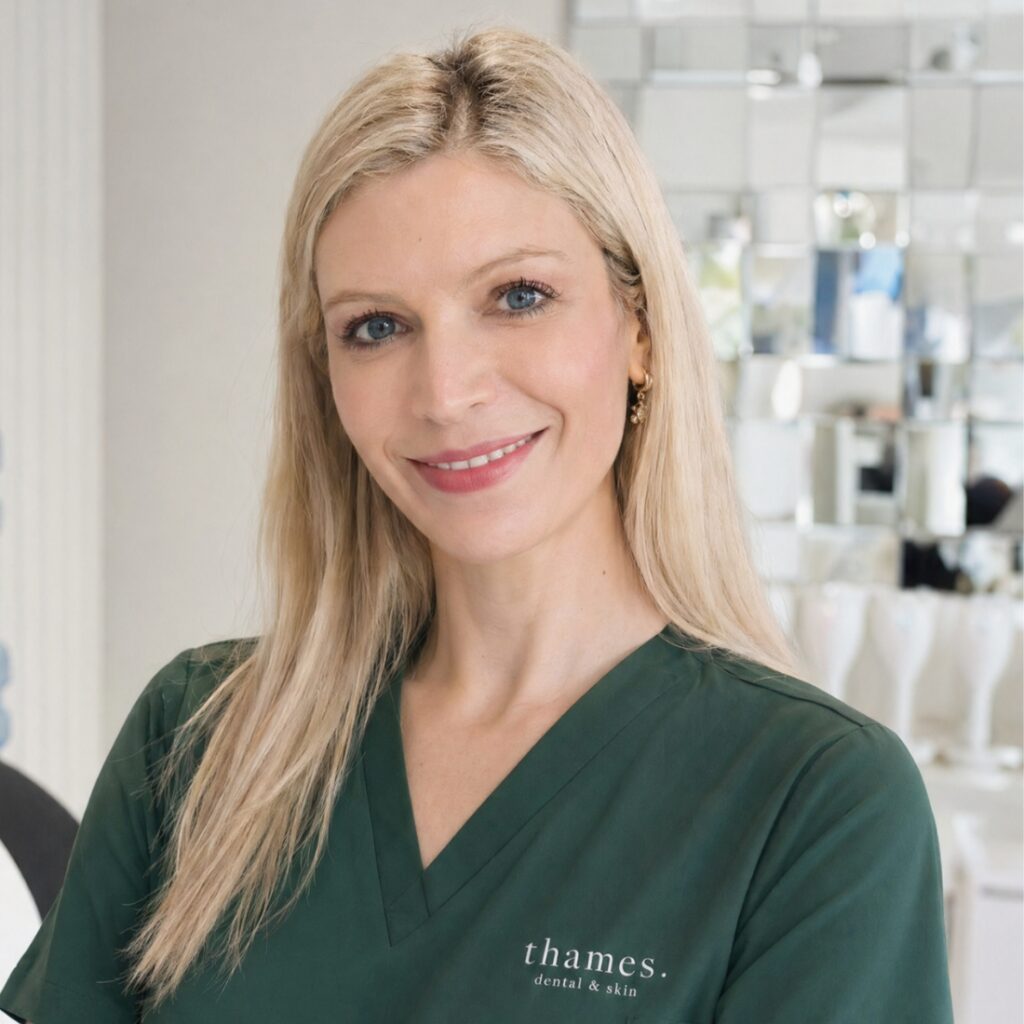
Medically reviewed by Dr Theodora Bravi
Founder & Specialist Prosthodontist
- Last updated August 2026
In 30 seconds…
Chemical peels and LED light therapy work on different mechanisms. Peels accelerate cellular turnover and resurface the skin. LED therapy calms inflammation and sustains a collagen stimulus between peels.
Used together in a planned sequence, they treat more concerns at once and hold results longer than either treatment used alone.
Table of Contents
Advancements in skin health: Patients expect lasting results
Over the past decade, aesthetic practice has moved away from chasing volume and towards long-term skin quality, tissue health and biological resilience. Patients are no longer satisfied with a result that lasts six months and needs constant topping up. They want skin that looks better, behaves better and ages better. They also want it delivered by a clinician who understands that what is happening on the surface is rarely the full picture.
At our clinic in Thames Ditton, that shift has changed the way we plan every treatment. Our approach rests on one principle: dentistry, skin and health are treated as one discipline, not three.
It is why patients travel to us from Kingston, Surbiton, Esher and across Surrey, and stay with us for years.
Why is one skin treatment on its own not enough?
Skin ageing affects every layer of the skin at once, including the epidermis, dermis and subcutaneous tissue. Functional changes occur in the dermis and the subcutaneous fat simultaneously, alongside shifts in microcirculation and immune signalling.
This means a single treatment, however well executed, can only ever address part of the problem. Each has a clear ceiling:
- A chemical peel refines texture, tone and pigmentation, but cannot sustain a collagen stimulus between appointments.
- LED light therapy calms inflammation and supports collagen synthesis, but cannot resurface the epidermis.
- Injectables soften lines and restore lost structure, but cannot improve the quality of the skin itself.
- Energy-based devices such as RF microneedling reach the deeper dermis, but do little for surface tone.
Combination protocols consistently outperform single-modality treatment in acne, photoageing and post-procedural recovery. That is the thinking behind our Skin Health Programme, which pairs professional chemical peels with Celluma Pro LED therapy in one planned pathway rather than as separate bookings.
How do peels and LED therapy work together?
They reinforce each other. A peel accelerates cellular turnover, lifting the outermost layers to reveal fresher tissue and stimulate collagen at a structural level. LED therapy works at the cellular level using light energy, reducing inflammation, supporting healing and maintaining the collagen signal in the weeks between peels.
The sequence matters as much as the combination. LED is delivered immediately after a peel to calm the skin and support early recovery, then repeated between peel sessions so the skin is never simply waiting for the next appointment. Blue light manages active acne while peels and red light address the pigmentation that acne leaves behind, which is why the pairing suits patients dealing with more than one concern at a time.
What makes the sequence more important than the treatments?
Most good clinics have access to the same technology. Chemical resurfacing, photobiomodulation, regenerative injectables and collagen-stimulating devices are not secrets. What separates the results patients get here from results they have had elsewhere is rarely the treatment itself. It is the clinical thinking that decides what to combine, in what order, at what depth, and for whom.
Layering is not simply using more than one treatment. It is understanding how each intervention changes the state of the skin, and what that changed state makes possible next. A regenerative therapy does not only stimulate collagen; its timing against the skin’s inflammatory cycle decides whether it supports recovery or competes with it. Over the course of a programme, these distinctions are the difference between results that build and results that plateau.
Why does what is happening beneath the skin matter?
Skin rarely tells the whole story. It reflects it. What appears on the surface is usually the visible expression of something happening deeper: a shift in hormonal balance, a change in how the body manages inflammation, or a nutritional pattern that has quietly altered how the skin repairs itself. These connections are not always obvious, but they are consistently present, and they are readable by a clinician who knows where to look.
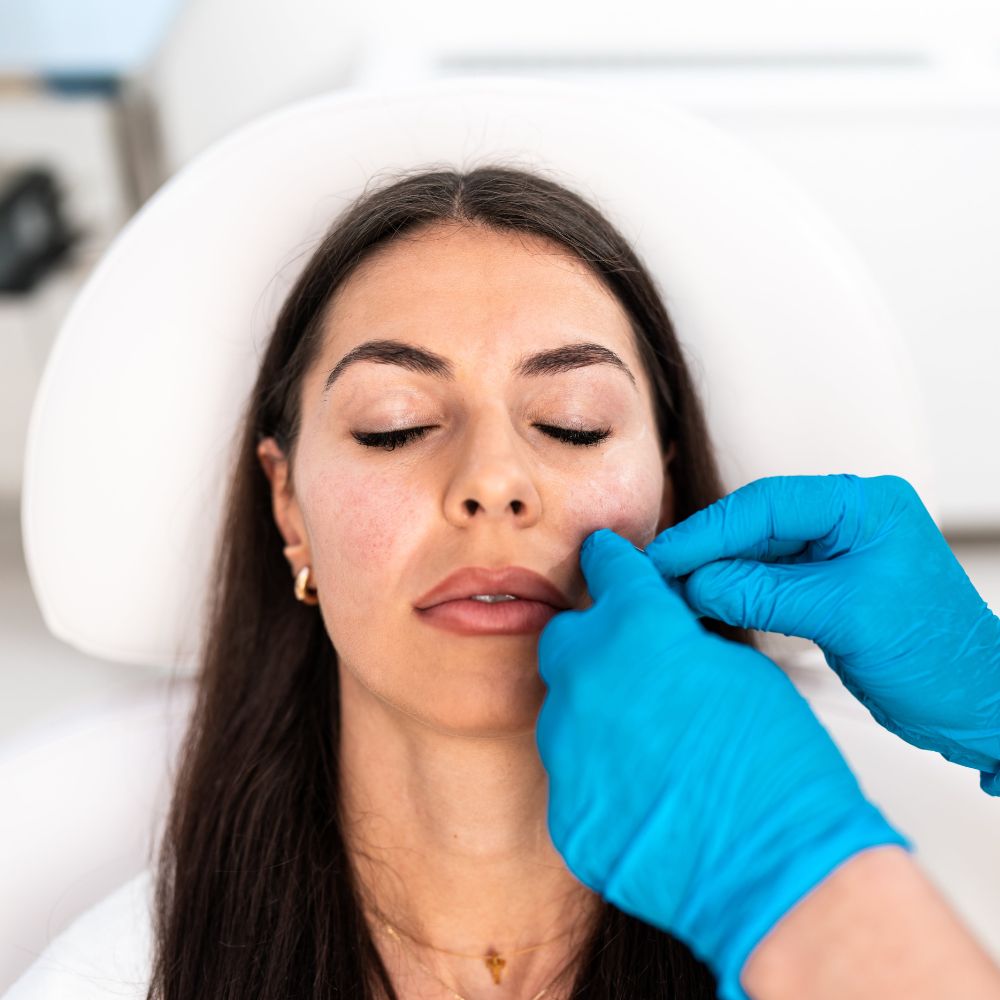
We do not begin with the surface. We begin with the patient. Before any treatment is planned, we take time to understand what has changed, when, and why. Sometimes that conversation is enough. Sometimes it leads to further clinical investigation. It always changes what we recommend.
What does the Skin Health Programme involve?
The Programme runs in three stages, with each one building on the last.
Alongside the Programme, a tailored medical-grade homecare regimen supports barrier repair and pigmentation control between appointments. The strongest in-clinic treatment will under-deliver if the routine at home is working against it. Where skin laxity needs addressing at a structural level, we may add RF microneedling or Ultracel2 HIFU on the same platform.
Stage one: LED Glow Sessions
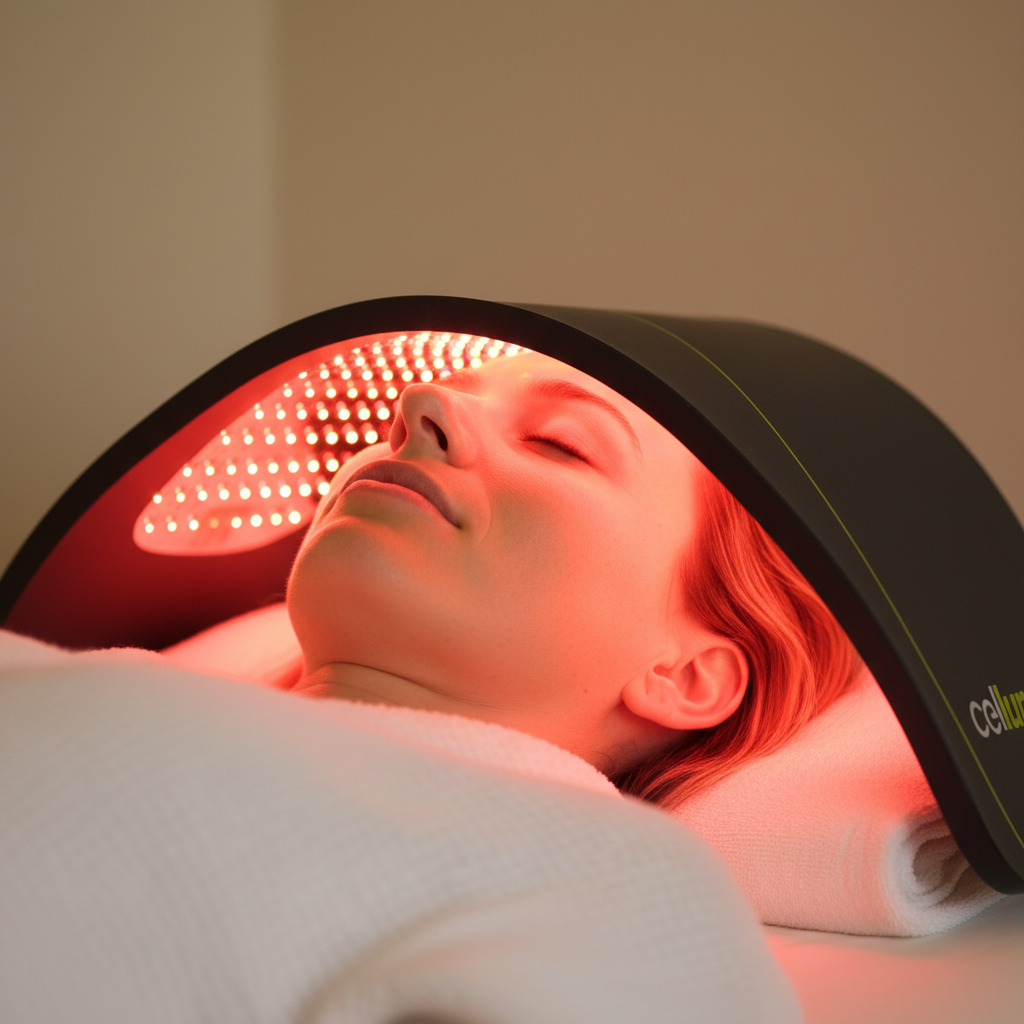
Medical-grade LED using the Celluma Pro system with a clinic-only activation serum. Red, blue and near-infrared wavelengths calm inflammation, settle redness and strengthen the skin barrier, creating the foundation for everything that follows. From £50 per session, with savings of up to £100 on a course.
Stage two: your first peel
Once the skin is calmer, Dr Bravi introduces a first chemical peel combined with LED in the same visit. A light peel lifts dull surface cells, LED soothes and speeds recovery. It also shows exactly how your skin responds, which shapes the next stage. From £120, depending on which of the three peel options is chosen.
Stage three: a structured course
Courses of 4, 6 or 10 peel and LED sessions, each tuned to how the skin is progressing and spaced to build steadily rather than shock the skin. From £480. The Elite Programme adds priority booking, ongoing reviews and a hydrating LED mask at the final visit.
Peels are drawn from two professional ranges. Zein Obagi options include the brightening Red Carpet peel and the deeper 3-Step Peel combining TCA, salicylic acid, lactic acid and retinol. AlumierMD offers a customisable range of AHA, BHA, fruit enzyme and TCA-based peels, selected according to skin type and concern.
Discover our Skin Health Programme
A personalised pathway to clearer, healthier skin, combining professional LED therapy and chemical peels with expert guidance at every stage.
- A personalised plan built around your skin
- Professional LED therapy and chemical peels
- Expert guidance from consultation through to long-term results
How long before you see a difference?
Patients often ask whether one peel or a single LED session will make a visible change. The honest answer is that you will see something. Meaningful change in skin quality, however, is cumulative. Skin remodelling takes time. Collagen synthesis runs over months. Pigment correction needs patience and consistent stimulus.
Most patients notice improvement in brightness and texture within the first few LED sessions, particularly where there is an inflammatory component such as active acne or redness. Visible progress is usually clear at the six to eight week mark, with deeper structural change developing across a full course and continuing for weeks after the final session. Side effects are uncommon and usually mild, most often short-lived redness, warmth or tingling.
A more sustainable model of skin health
The aesthetic industry has spent years selling individual treatments. In our experience, the patients who get the best long-term results are not the ones who follow the newest trend. They are the ones who treat skin health as a long-term project, supported by a clinician who understands the full picture.
That is what the Skin Health Programme is built to do. Not a menu of disconnected treatments, but one coordinated pathway that brings together skin health, facial balance and underlying biological wellbeing, delivered under one roof.
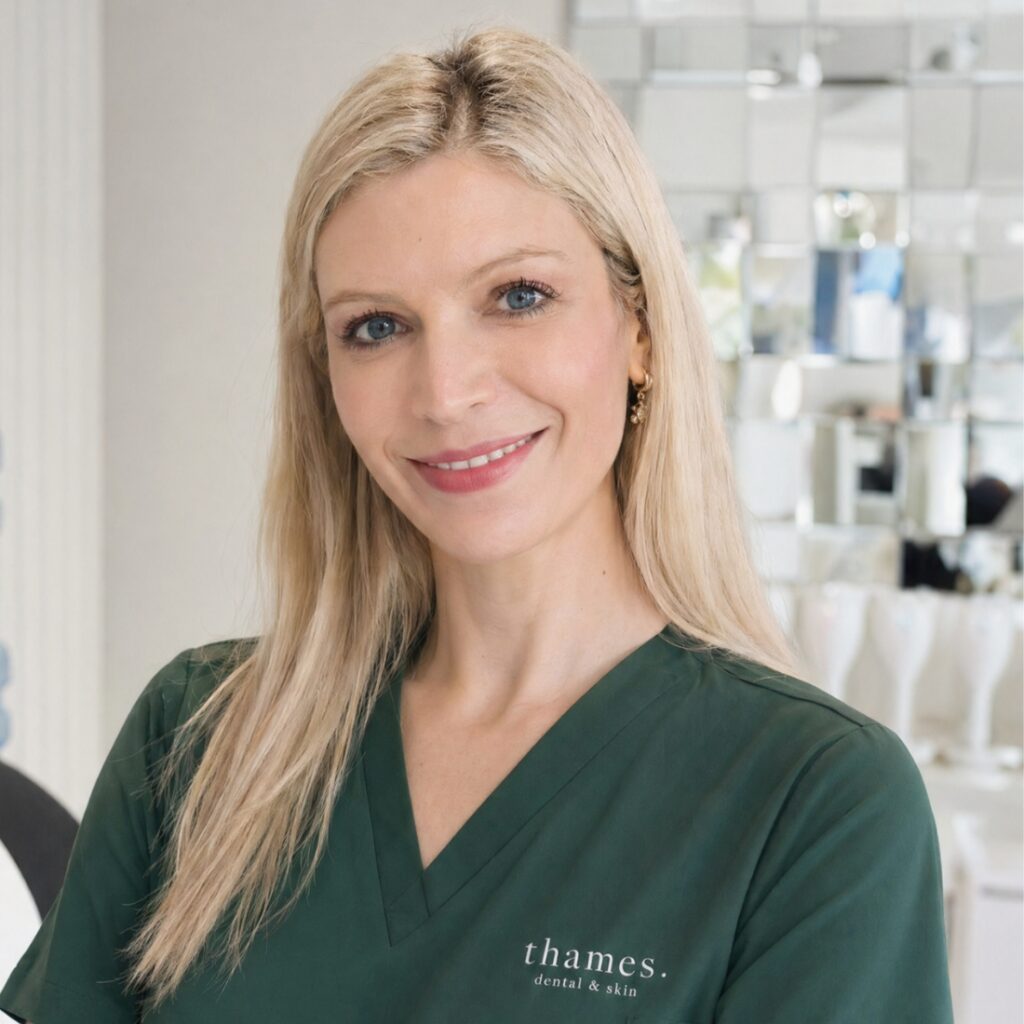
Your expert: Dr Theodora Bravi
Dr Theodora Bravi is founder and clinical lead at Thames Dental & Skin. Trained at Guy’s and King’s College Hospitals, with a background in Harley Street and over 25 years practising in Thames Ditton, she combines restorative and cosmetic dentistry with facial aesthetics, skin health and functional health diagnostics.
Key takeaways
Is online therapy worth it? Findings from researchers who have studied this question repeatedly suggest that online therapy can be effective for treating a number of mental health conditions and challenges. Below are key takeaways about online therapy:
- Flexibility.
- Convenience.
- Cost-effectiveness.
- Accessibility.
Online therapy typically allows for more flexible scheduling and a larger selection of licensed therapists than what may be available locally. With BetterHelp, you can get matched with a licensed therapist who has experience with specific mental health conditions, and you can always change mental health providers at any time. In addition, you may access weekly group sessions on many topics. Reaching out for support is a brave step, and online therapy makes that step more accessible than ever.
Related insights from Thames


FAQs
Yes. LED is delivered immediately after the peel, which is the preferred order. The peel resurfaces and the LED then calms the skin and supports early recovery. In the Skin Health Programme, LED is also repeated between peel appointments to maintain the collagen stimulus rather than leaving the skin dormant between sessions.
Professional peels are typically repeated every four to six weeks, which allows time for epidermal renewal and barrier restoration between treatments. Depth and formulation are matched to your skin type, sensitivity and concern at each visit rather than following a fixed protocol.
Some patients notice a difference in brightness and redness after the first few sessions. Optimal results are usually seen after a course of eight to twelve treatments. Each Celluma Pro session runs for 30 to 60 minutes depending on the area and protocol, and there is no downtime.
Yes, on both the products and the planning. A salon facial is a cosmetic treatment focused on cleansing, hydration and relaxation, using ingredients below clinical concentration. The Skin Health Programme uses medical-grade peels, including TCA-based formulations and AlumierMD clinical acids, alongside an FDA-cleared LED device at therapeutic irradiances unavailable in consumer or salon settings. Every step is clinically assessed and reviewed.
Individual sessions start from £50 for LED and £120 for a peel. Structured courses of 4, 6 or 10 peel and LED sessions start from £480, which offers better value than booking treatments individually. An Elite Programme is available for more complex or longstanding concerns. You receive clear written fees at your assessment.
Yes. The clinic is in Thames Ditton, Surrey, and patients travel to us from Kingston upon Thames, Surbiton, Esher, East and West Molesey, Walton-on-Thames, Hinchley Wood and Long Ditton.
We're in Thames Ditton and see patients from across Surrey – Kingston upon Thames, Surbiton, Esher, East Molesey, West Molesey, Walton-on-Thames, Hinchley Wood, Long Ditton, Cobham, Weybridge, Hampton, Oxshott, Twickenham, Teddington and Wimbledon.