Gum Disease Treatment in Surrey
Bleeding, sore or receding gums are simpler to treat the sooner they are looked at, whether that means a hygiene clean or specialist care with our periodontist.
- Check-ups from £63.50, new patients from £88
- Specialist periodontist in the practice
- Hygiene visits from £75.80
Or call us on 020 8398 9466
WHY GET YOUR GUMS CHECKED?
It is usually simpler to sort out than you think
-
Often a quick fix
Caught early, bleeding gums usually settle with a hygiene visit
-
Keep your own teeth
Gum disease is a common cause of tooth loss in adults, and largely preventable
-
Fresher breath
Plaque under the gums is a common cause of bad breath
-
Comfortable care
Deeper cleans are done with the area numbed
-
Ready for other treatment
Healthy gums come first for implants, Invisalign and bonding
-
Track your progress
A 3D scan at your hygiene visit to compare your gums over time
WHAT CAN GUM TREATMENT HELP WITH?
Signs of gum disease
Gum problems rarely hurt at first, so they are easy to put off. It is worth booking in if you notice any of these:
- Gums that bleed when you brush, floss or eat
- Gums that look red or puffy, or feel sore
- Bad breath or a bad taste that keeps coming back
- Teeth that look longer, or roots that feel sensitive
- A tooth that feels loose or has started to move
- Sore or bleeding gums around an implant
Where to start
Which appointment do I need?
Most people start with a check-up. If you need a deep clean below the gum line, treatment starts from £400.
Specialist treatment with our periodontist is quoted in writing first. 0% finance available on treatment plans over £900, subject to status. A deposit is taken when you book online.
Not sure which to book?Call or message us and we will book the right appointment for you.
OUR PROCESS
What happens when you come in
We start with the simplest option and only suggest more if your gums need it.
-
01
Check-up
Your dentist checks your teeth and gums, measures the small gaps around each tooth and takes X-rays if needed, to see how healthy your gums are and whether the bone is affected.
-
02
Your plan
For many people, a hygiene visit and a few changes at home are all it takes. If the gum disease has gone deeper, we explain what we have found and give you a written plan and fee before anything starts.
-
03
Treatment
Usually a deep clean below the gum line, with the area numbed so it is comfortable. Your hygienist or our specialist periodontist carries it out, depending on how advanced it is.
-
04
Keeping it that way
Regular hygiene visits keep your gums healthy, and a 3D scan lets us compare your gums from one visit to the next.
GINGIVITIS VS PERIODONTITIS
Inflamed gums or gum disease?
Most bleeding gums are gingivitis: the gums are inflamed by plaque, but the bone is fine. A hygiene visit and better brushing and flossing usually sort it out.
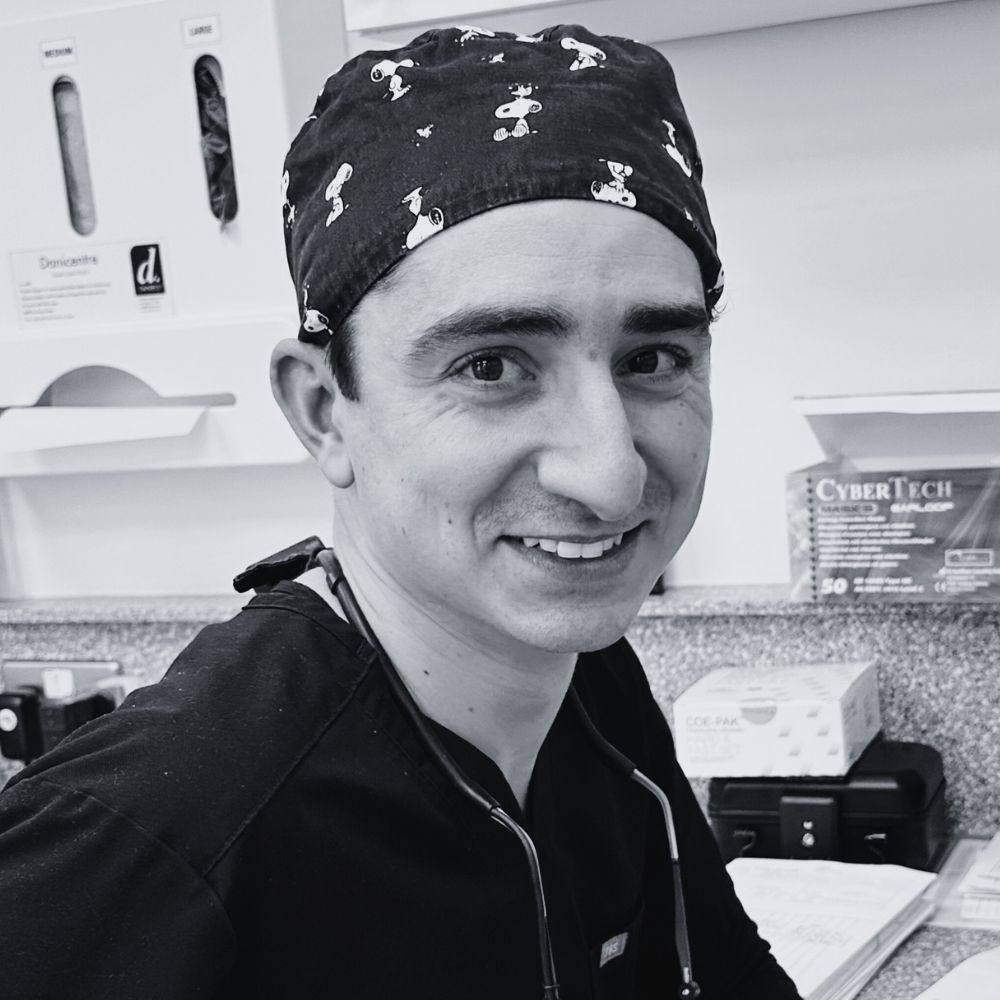
Periodontitis is the more serious stage, where the infection reaches the bone that holds your teeth. Our specialist periodontist, Pano, treats it here with a deep clean below the gum line and, where suitable, regenerative treatment. He also carries out gum grafts for receding gums and treats gum problems around implants.
MEET YOUR TEAM
Specialist gum care when you need it
Our dentists and hygienists look after most gum problems. When your gums need more, you see our specialist periodontist, Dr Panayiotis Kaimakamis (Pano).
Meet our experts >
Dr Panayiotis Kaimakamis
Specialist Periodontist

Dr Priya Rao-Patel
Associate Dentist

Dr Theodora Bravi
Founder & Specialist Prosthodontist
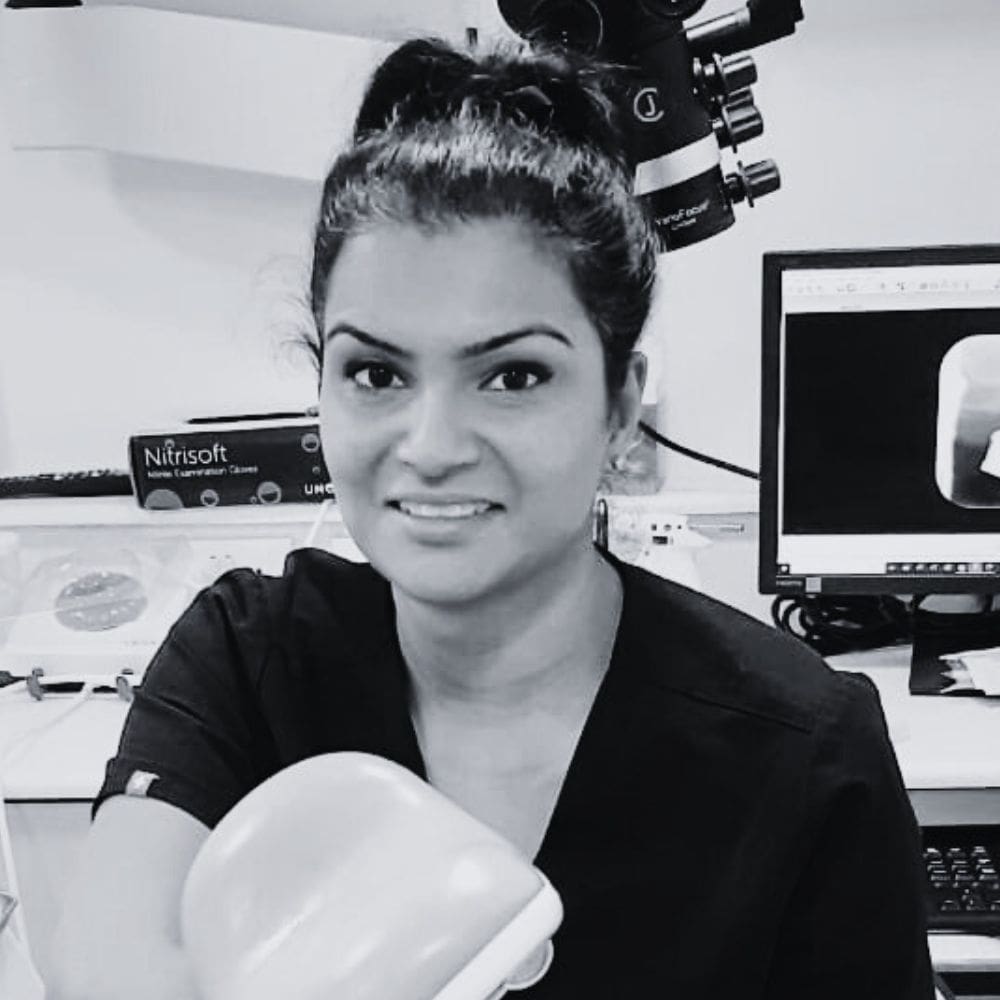
Dr Neha Patel
Specialist Endodontist
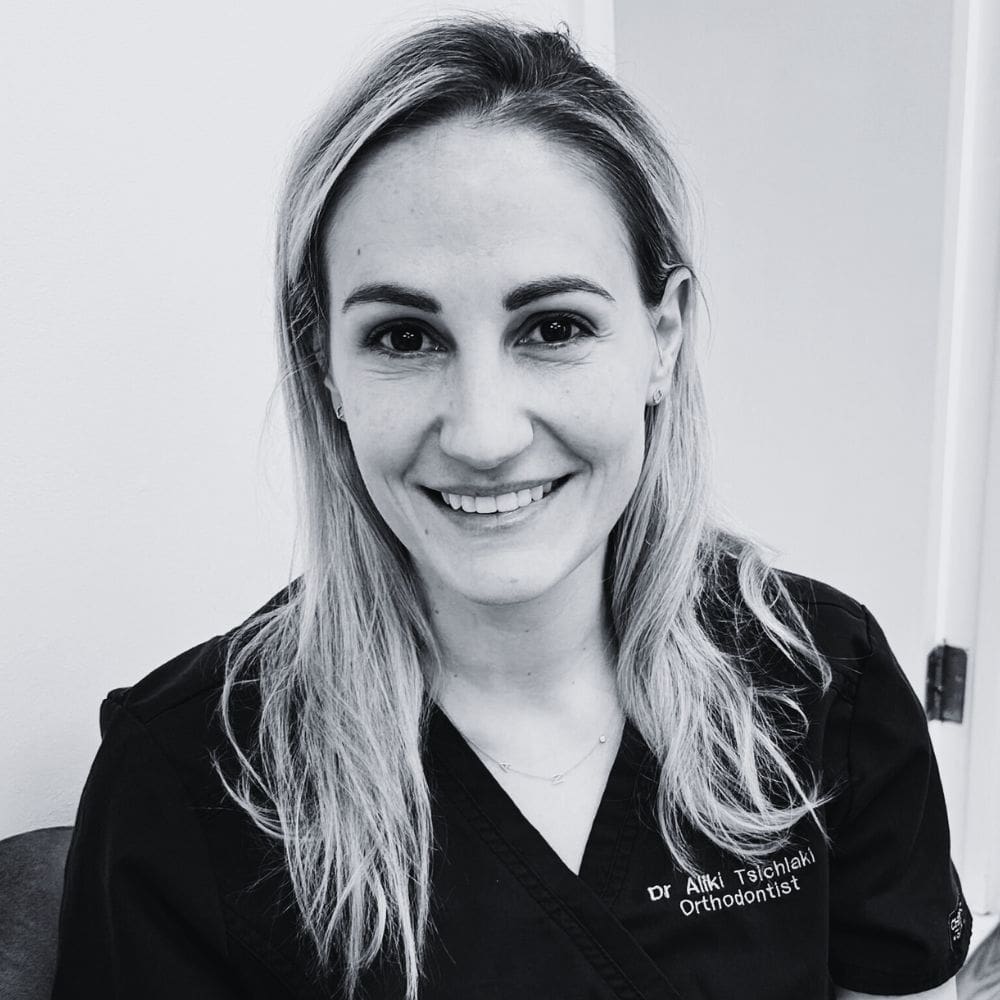
Dr Aliki Tsichlaki
Specialist Orthodontist

FAQs
Not necessarily. Bleeding gums are very common and are usually a sign of gingivitis, where the gums are inflamed by plaque along the gum line. It is the earliest stage and can usually be reversed with a hygiene visit and better cleaning at home, especially between your teeth. It is still worth booking a check-up, because bleeding is also the first sign of more serious gum disease.
Most people start with a check-up, from £63.50, and many then only need a hygiene visit, from £75.80. If your dentist finds signs of deeper gum disease, treatment starts from £400, depending on how many areas need treating. Specialist treatment with our periodontist is quoted after your consultation. You always receive a written fee before treatment begins, and 0% finance is available on treatment plans over £900, subject to status.
Bleeding gums when you brush or floss are often the first sign. Others include red, puffy or tender gums, gums pulling away from the teeth, bad breath that keeps coming back, and teeth that feel loose or sensitive. Gum disease is often painless early on, so it is worth having your gums checked if you notice any of these.
Plaque, the soft film of bacteria that builds up along the gum line. If it is not cleaned away, it hardens into tartar, which only a hygienist or dentist can remove. Some things make gum disease more likely or harder to control, including smoking, diabetes, a family history of gum disease, pregnancy, stress and some medications.
Gingivitis is inflammation of the gums. They may be red, puffy and bleed easily, but the bone is not affected, and it can usually be reversed. Periodontitis is the more serious stage, where the infection has spread below the gum line and started to affect the bone that supports your teeth. It needs more thorough treatment, often with a specialist periodontist.
Gingivitis can usually be reversed. With periodontitis, bone that has been lost does not always grow back, but treatment can bring the infection under control and stop it getting worse. With regular hygiene visits and good care at home, most people can keep their gums stable for the long term.
A check-up or hygiene visit should not hurt, although your gums may feel a little tender if they are inflamed. Deeper cleans below the gum line are done with the area numbed, so you stay comfortable. Your gums may feel sensitive for a few days afterwards, which usually settles quickly.
Gingivitis often settles after one or two hygiene visits. Periodontitis is usually treated over a few appointments, with a review a few months later to see how your gums have responded. Any further treatment is planned after that review, and you will have a written plan and timeline before you start.
Not necessarily. Gum disease is a common cause of tooth loss in adults, but with treatment and regular maintenance, many teeth affected by it can be kept. The earlier it is treated, the more can be saved.
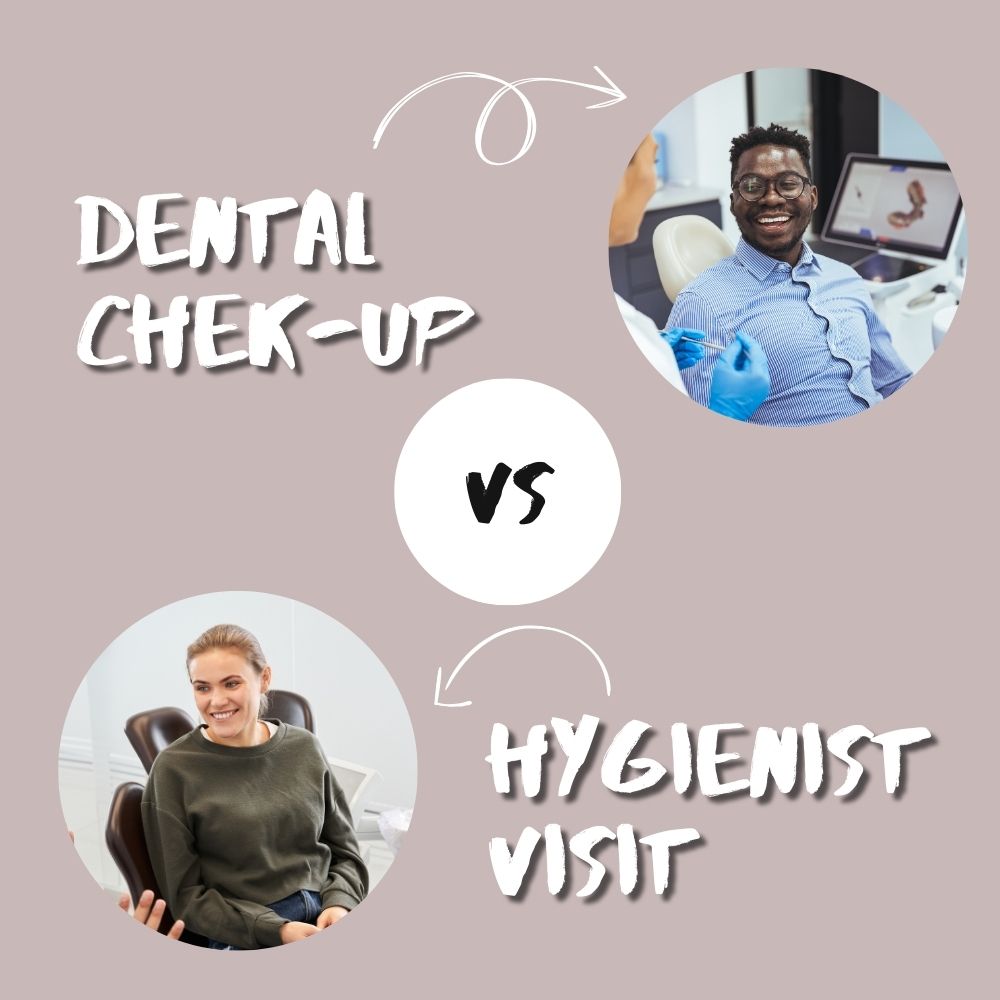
Start with a check-up with one of our dentists, who will screen your gums and decide what you need. Most people then see a hygienist, who treats inflamed gums and early gum disease. A periodontist is a dentist with specialist training in the gums and the bone around the teeth, who treats more advanced gum disease, receding gums and gum surgery. At Thames Dental & Skin all three work in the same practice.
Yes. You do not need to be registered with us to book a hygiene visit. If you have not had a check-up with us, we would still recommend one, because a hygienist cleans and checks your gums but does not carry out a full dental examination.
You do not need a referral from another dentist. Most patients see Pano after a check-up here, if their dentist thinks they need specialist care. If your own dentist has referred you, call us on 020 8398 9466 and we will arrange your appointment.
Treating gum disease helps stop gums receding further. Where the gum has already pulled back and exposed the root, our specialist periodontist can in some cases carry out a gum graft to cover it, reduce sensitivity and even out the gum line. We will tell you whether this is suitable for you at your consultation.
Usually, yes, once your gums are healthy and stable. Gum disease raises the risk of problems with dental implants, can affect teeth as they move during Invisalign and can shorten the life of crowns, veneers and bonding. That is why we check your gums before planning any of these treatments, and treat any gum disease first.
Yes. Gums around an implant can become inflamed, and if this spreads to the bone it is called peri-implantitis. Our specialist periodontist treats both. Regular hygiene visits help stop these problems starting in the first place.
Yes. Thames Dental & Skin is in Thames Ditton and sees patients from across Surrey and south-west London, including Esher, Kingston upon Thames, Surbiton, Walton-on-Thames, Molesey, Hinchley Wood, Cobham and Weybridge. Book a check-up to begin, or call us if your dentist has referred you.